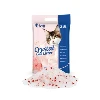
Hey there, fellow cat lovers! As a supplier of Lemon Gel Cat Litter, I often get asked if it's suitable for long - haired cats. So, let's dive right into this topic and find out if our Lemon Gel Cat Litter is a good fit for those fluffy felines.
First off, let's talk about what makes long - haired cats different. Long - haired cats have a lot of fur, which can easily pick up litter particles. When they use the litter box, the litter can get stuck in their fur, and this can lead to a few problems. For one, it can be uncomfortable for the cat. The litter particles can irritate their skin, and if they groom themselves, they might ingest the litter, which isn't great for their digestive system.
Now, let's look at our Lemon Gel Cat Litter. One of the great things about it is its gel form. Unlike traditional clumping or non - clumping litters, the gel doesn't form small, loose particles that are easily stuck in fur. The gel is more cohesive, so it's less likely to get tangled in your long - haired cat's coat.
Another advantage of our Lemon Gel Cat Litter is its odor - control properties. Long - haired cats can sometimes have a stronger odor because their fur can trap scents. Our lemon - scented gel litter helps to neutralize those unpleasant odors. The natural lemon fragrance not only makes the litter box area smell fresh but also has a calming effect on both you and your cat.
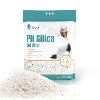
But how does it compare to other types of cat litters? Let's take a look at some other popular options. There's the PH Silica Cat Litter. This type of litter is known for its high absorbency. However, it's made of small silica beads, which can be more likely to stick to long - haired cats' fur compared to our gel litter. The beads are dry and can easily get caught in the long strands of fur.


Then there's the Silicone Cat Litter. While it has good odor - control and absorbency, it can also be a bit more difficult to clean. And again, the small silicone pieces can get stuck in long - haired cats' fur.
The Apple Silica Cat Litter is another option. It has a nice apple scent, but similar to the PH Silica Cat Litter, the silica particles can be a problem for long - haired cats.
Now, let's talk about the practical aspects of using Lemon Gel Cat Litter for long - haired cats. When your long - haired cat uses the litter box, it's important to check their fur regularly. You can use a soft brush to gently remove any gel that might have stuck to their fur. This is a quick and easy process, and it helps to keep your cat clean and comfortable.
In terms of cleaning the litter box, our Lemon Gel Cat Litter is very convenient. You can simply scoop out the soiled gel, and the remaining gel stays fresh and clean. This is much easier than dealing with clumping litter, which can sometimes leave behind residue in the box.
One thing to keep in mind is that every cat is different. Some long - haired cats might take to the Lemon Gel Cat Litter right away, while others might need a little time to adjust. If your cat is used to a different type of litter, you can try mixing a small amount of our Lemon Gel Cat Litter with their old litter and gradually increase the proportion over time.
Another benefit of our Lemon Gel Cat Litter is its safety. It's non - toxic and doesn't contain any harmful chemicals. This is especially important for long - haired cats, as they are more likely to ingest litter while grooming. You can have peace of mind knowing that your cat is using a safe and healthy litter.
So, can you use Lemon Gel Cat Litter for long - haired cats? The answer is a resounding yes! It offers many advantages over other types of litter, especially when it comes to the unique needs of long - haired cats.
If you're interested in trying out our Lemon Gel Cat Litter for your long - haired cat, or if you're a retailer looking to stock our product, I'd love to have a chat with you. We can discuss the details and see how we can work together to provide the best cat litter solution for you and your feline friends.
References:
- General knowledge about cat litters and long - haired cats' needs.
- Product research on different types of cat litters.