
Hey there, fellow cat lovers! I'm stoked to share my insights on transitioning your furry friend to paper cat litter. As a supplier of top - notch paper cat litter, I've seen firsthand the many benefits it offers, and I'm here to help you make this switch as smooth as possible for both you and your cat.
Why Paper Cat Litter?
Before we dive into the transition process, let's talk about why paper cat litter is a great choice. First off, it's super eco - friendly. Most paper cat litters, like our Recycled Color Change Paper Cat Litter, are made from recycled materials. This means you're reducing waste and doing your part for the environment.
It's also gentle on your cat's paws. Unlike some clay litters that can have sharp edges, paper litter is soft and won't cause any discomfort. And if your cat has a habit of licking its paws after using the litter box, paper litter is non - toxic, so you don't have to worry about any health risks.
Another awesome thing about paper cat litter is its odor control. It can absorb and neutralize unpleasant smells effectively, keeping your home smelling fresh. Plus, it clumps well, which makes scooping a breeze.
Preparing for the Transition
Okay, so you're convinced that paper cat litter is the way to go. Now, it's time to get ready for the transition. The first step is to choose the right paper cat litter. As I mentioned earlier, our Recycled Color Change Paper Cat Litter is a great option. It has a unique feature where it changes color when it comes into contact with urine, making it easier for you to spot soiled areas.
Next, you'll need to get a new litter box or clean the existing one thoroughly. Cats are clean animals, and they're more likely to use a clean litter box. Wash the box with mild soap and water, and let it dry completely before adding the new litter.
You'll also want to set aside some time to observe your cat's behavior. Notice when they usually use the litter box, their preferred digging spots, and any other habits. This will help you understand how your cat might react to the new litter.
The Transition Process
Now, here's how you can start the transition. I recommend doing it gradually. Start by mixing a small amount of paper cat litter with your cat's current litter. You can begin with about 10% paper litter and 90% of the old litter. This way, your cat can get used to the new texture and smell without being overwhelmed.
Place the mixed litter in the litter box and observe your cat's reaction. Some cats might take to it right away, while others might be a bit hesitant. If your cat seems okay with the mixture, you can slowly increase the proportion of paper litter over the next few days.
For example, after a couple of days, you can make it 20% paper litter and 80% old litter. Keep doing this until you're using 100% paper cat litter. This gradual approach usually takes about a week or two, depending on your cat.
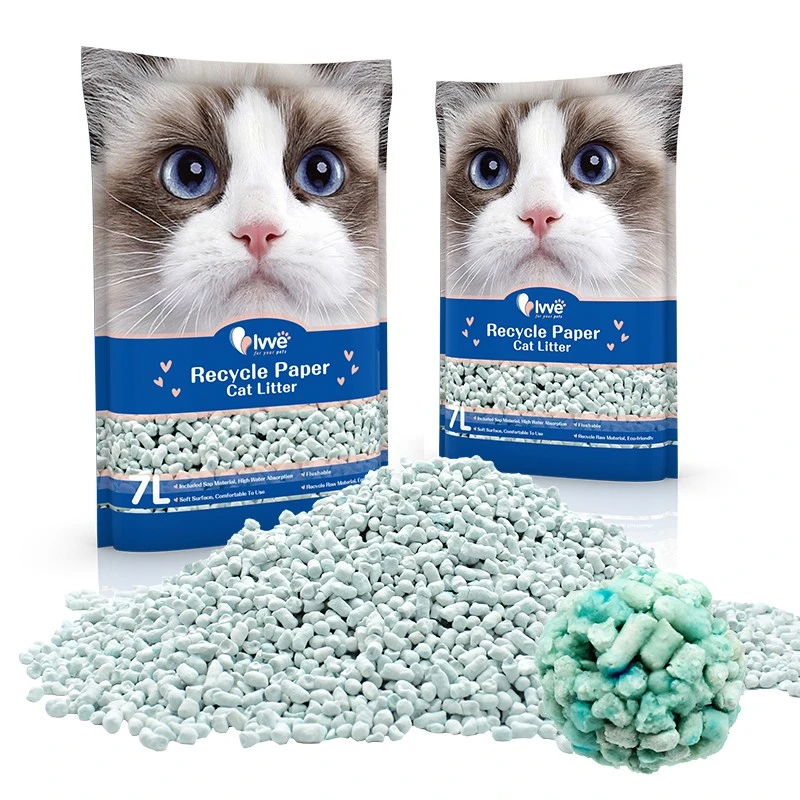

During the transition, make sure to keep the litter box clean. Scoop out the clumps and soiled areas daily. If you notice that your cat is avoiding the litter box, it could be a sign that they're not happy with the new litter. In that case, you might need to slow down the transition or try a different type of paper cat litter.
Tips for a Successful Transition
Here are some additional tips to make the transition even smoother. First, place the litter box in a quiet and private area. Cats like their privacy when using the litter box, and a noisy or high - traffic area might make them uncomfortable.
You can also try using a litter mat outside the box. This helps to catch any litter that your cat might track out, and it can also make the area around the litter box more inviting.
Another tip is to praise your cat when they use the litter box with the new litter. Positive reinforcement can go a long way in encouraging your cat to accept the change. You can give them a treat or some extra cuddles as a reward.
Common Challenges and How to Overcome Them
Of course, the transition might not always be perfect. One common challenge is that your cat might start urinating or defecating outside the litter box. If this happens, don't get angry with your cat. It's probably just a sign that they're still adjusting.
First, make sure the litter box is clean. Cats are less likely to use a dirty box. You can also try adding a bit more of the old litter back into the mix to make it more familiar.
Another challenge could be that your cat doesn't like the texture of the paper litter. If that's the case, you can try a different brand or type of paper cat litter. Some paper litters are finer, while others are coarser. Experiment to find the one that your cat prefers.
Conclusion
Transitioning your cat to paper cat litter can be a great decision for both you and your furry friend. It's eco - friendly, gentle on your cat's paws, and effective at odor control. By following the steps I've outlined above and being patient with your cat, you can make the transition as stress - free as possible.
If you're interested in learning more about our Recycled Color Change Paper Cat Litter or other paper cat litter products, or if you're looking to start a procurement discussion, don't hesitate to reach out. We're here to help you provide the best for your cat.
References
- "The Cat Owner's Manual" by John and Margo Stoddard
- Various studies on cat behavior and litter preferences from veterinary journals