As a paper cat litter supplier, I've delved deep into the world of feline care and the products that support it. One question that often surfaces in my interactions with cat owners is, "How does paper cat litter affect the cat's paws?" In this blog post, I'll explore this topic in detail, drawing on scientific knowledge and real - world experiences.
The Anatomy of a Cat's Paw
Before we discuss how paper cat litter impacts a cat's paws, it's essential to understand the structure of a cat's paw. A cat's paw is a complex and delicate organ. It consists of five toes on the front paws and four on the back, each equipped with a claw that can be retracted. The paw pads are thick, cushioned areas that provide shock absorption when the cat walks, runs, or jumps. These pads also contain numerous nerve endings, making them highly sensitive.
The paw pads serve several crucial functions. They help with traction, allowing the cat to grip surfaces while moving. They also play a role in temperature regulation, as cats can dissipate heat through their paw pads. Additionally, the sensitive nature of the paw pads helps cats sense their environment, detecting vibrations and changes in texture.
Paper Cat Litter: Composition and Characteristics
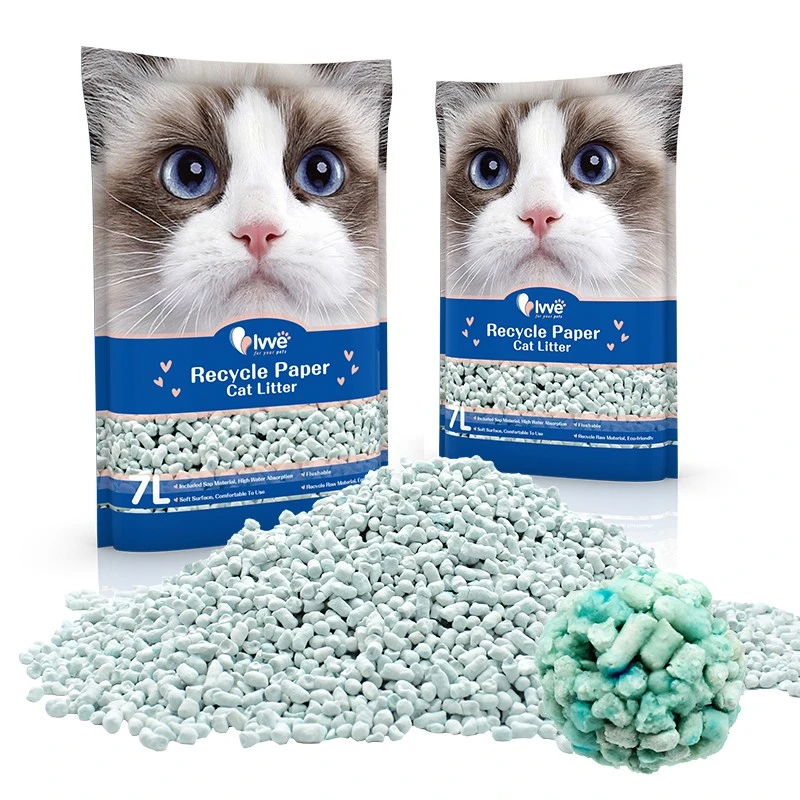
Paper cat litter is typically made from recycled paper products. The manufacturing process involves shredding, sanitizing, and sometimes adding other natural ingredients to enhance its performance. One of the notable products in our range is the Recycled Color Change Paper Cat Litter. This type of litter not only has the basic functions of absorbing urine and controlling odor but also changes color when it comes into contact with moisture, indicating when it's time for a litter change.
Paper cat litter is known for its softness. Unlike some clay or crystal litters that can be hard and abrasive, paper litter provides a more cushioned surface for cats to step on. It is also lightweight, which means it's less likely to cause strain on a cat's paws when they dig and bury their waste.
Positive Effects of Paper Cat Litter on Cat's Paws
Softness and Comfort
The soft texture of paper cat litter is one of its most significant advantages for a cat's paws. When a cat steps into a litter box filled with paper litter, the soft material conforms to the shape of their paws, providing a comfortable surface. This is especially beneficial for older cats or those with joint problems, as it reduces the pressure on their paws and joints.
For example, if a cat has arthritis, the hard surface of some traditional litters can exacerbate their pain. In contrast, paper cat litter acts as a gentle support, allowing them to move around the litter box with less discomfort.
Reduced Abrasion
Paper cat litter is less abrasive than many other types of litter. Clay litters, in particular, can have rough edges that may scratch or irritate a cat's paw pads over time. Since paper litter is made from shredded paper, it has a smooth texture that minimizes the risk of abrasion. This is important because damaged paw pads can lead to pain, infection, and difficulty walking for the cat.
Hygiene
Paper cat litter is often highly absorbent, which helps keep the cat's paws clean and dry. When a cat urinates in the litter box, the paper litter quickly absorbs the urine, preventing it from pooling around the paws. Moisture on the paws can lead to bacterial or fungal growth, which can cause infections. By keeping the paws dry, paper cat litter helps maintain good paw hygiene.

Potential Concerns and Mitigations
Dust
One potential concern with paper cat litter is dust. Although modern paper litters are designed to be low - dust, some may still produce a small amount of dust when the cat digs or moves around in the litter box. Inhaled dust can be harmful to both cats and humans, and dust on the paws can cause irritation.
To mitigate this issue, look for high - quality paper cat litters that are specifically labeled as low - dust. Our Recycled Color Change Paper Cat Litter is engineered to minimize dust production, ensuring a cleaner and healthier environment for your cat.
Stickiness
In some cases, if the paper cat litter becomes overly saturated with urine, it may stick to the cat's paws. This can be uncomfortable for the cat and may also lead to tracking of the litter outside of the box. To prevent this, make sure to change the litter regularly, especially if you have a cat that urinates frequently. Also, using a litter mat outside the box can help catch any litter that may be stuck to the paws.
Real - World Observations
Many cat owners have reported positive experiences with paper cat litter and their cats' paws. Some have noticed that their cats seem more comfortable in the litter box and are more willing to use it regularly. Others have observed a reduction in paw - related issues such as scratches and irritations after switching to paper cat litter.
For instance, a cat owner named Sarah had a senior cat with sensitive paws. After trying various litters, she switched to our paper cat litter. She noticed that her cat was more active in the litter box and no longer seemed to be in pain when using it. The softness of the paper litter made a significant difference in her cat's quality of life.
Conclusion
In conclusion, paper cat litter generally has a positive impact on a cat's paws. Its softness, reduced abrasion, and hygienic properties make it a great choice for cat owners who are concerned about their cat's paw health. While there are some potential concerns such as dust and stickiness, these can be easily managed with proper product selection and maintenance.
If you're interested in providing the best for your cat's paws and overall well - being, I encourage you to consider our Recycled Color Change Paper Cat Litter. If you're a retailer or distributor looking to stock high - quality paper cat litter, I'd love to discuss a potential partnership. Please reach out to us to start a procurement discussion.
References
- "The Cat: Its Behavior, Nutrition, and Health" by Linda P. Case
- Research studies on feline paw health and litter materials from veterinary journals.