

Hey there, fellow cat lovers! As a supplier of Bentonite Clay Cat Litter, I get this question a lot: "How often should I change bentonite clay cat litter?" Well, let's dive right into it and figure out the best schedule for keeping your furry friend's litter box fresh and clean.
Why Bentonite Clay Cat Litter?
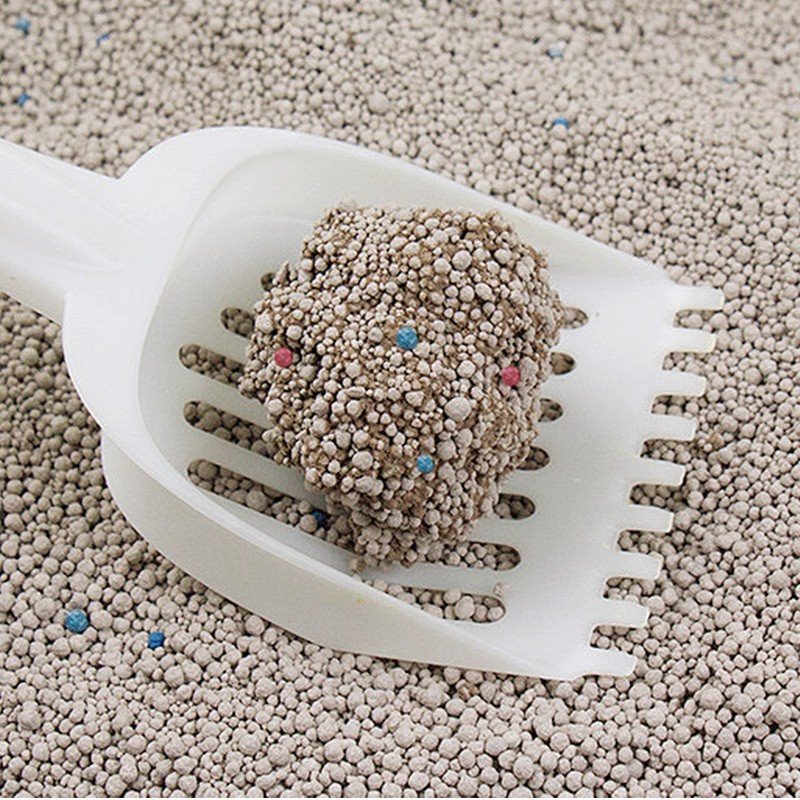
First off, let's talk a bit about why bentonite clay cat litter is so popular. Bentonite clay has some amazing properties. It clumps really well when it comes into contact with urine, which makes it super easy to scoop out the mess. This not only keeps the litter box cleaner but also helps control odors. Plus, it's relatively inexpensive compared to some other types of cat litter.
Factors Affecting Litter Change Frequency
There are several factors that can influence how often you should change your cat's bentonite clay litter. Let's take a look at them one by one.
Number of Cats
This is a biggie. If you have just one cat, you'll likely be able to get away with changing the litter less frequently than if you have multiple cats. A single cat usually produces less waste, so the litter can last a bit longer. For one cat, you might be able to change the entire litter box every 1 - 2 weeks, as long as you're scooping out the clumps daily.
On the other hand, if you have two or more cats, the litter box will fill up much faster. You may need to change the litter every 3 - 7 days. And don't forget to scoop multiple times a day to keep the box in good shape.
Cat's Diet
What your cat eats can also impact how often you need to change the litter. Cats on a high - protein diet tend to produce more urine and feces. This means the litter will get dirty quicker. If your cat is on a special diet or eats a lot of wet food, you might need to change the litter more often.
Litter Box Size
The size of the litter box matters too. A larger litter box gives your cat more space to do their business, and it can hold more waste before it gets too dirty. If you have a small litter box, you'll need to change the litter more frequently because it will fill up faster.
Litter Depth
The depth of the litter in the box is important. If you have a thin layer of litter, it won't be able to absorb as much urine and odor. Aim for a depth of about 2 - 3 inches. This will give the litter enough room to clump and absorb the waste properly.
General Guidelines for Litter Change
Now that we've covered the factors, here are some general guidelines for changing bentonite clay cat litter.
Daily Scooping
No matter how many cats you have, it's essential to scoop the litter box at least once a day. This removes the clumps and solid waste, which helps keep the box clean and reduces odor. Use a good quality litter scoop that can easily pick up the clumps without leaving any behind.
Partial Litter Changes
In addition to daily scooping, you can do partial litter changes. This means removing about a third to half of the old litter and replacing it with fresh litter. You can do this every 2 - 3 days, depending on the factors we discussed earlier. Partial litter changes help keep the litter fresh and maintain its odor - controlling properties.
Full Litter Changes
A full litter change is when you empty the entire litter box and start fresh. For one cat, a full litter change every 1 - 2 weeks is usually sufficient. For multiple cats, you might need to do a full change every 3 - 7 days.
Signs That It's Time to Change the Litter
Sometimes, it's not just about following a schedule. There are some signs that tell you it's time to change the litter.
Odor
If you start to notice a strong, unpleasant odor coming from the litter box, it's a clear sign that the litter needs to be changed. Even with good odor - control properties, bentonite clay litter can only do so much.
Clumping Issues
If the litter stops clumping properly, it's time for a change. This could be due to the litter being too saturated or old. When the clumps break apart easily or don't form at all, it's a sign that the litter is no longer effective.
Visible Dirt
If you can see a lot of solid waste or urine stains that aren't being absorbed by the litter, it's time to empty the box and start fresh.
Tips for Maintaining a Clean Litter Box
Here are some tips to help you keep your cat's litter box clean and fresh.
Keep the Litter Box in a Good Location
Place the litter box in a quiet, well - ventilated area. Cats like their privacy, and good ventilation helps reduce odors. Avoid placing the litter box near their food and water bowls.
Wash the Litter Box Regularly
Every time you do a full litter change, wash the litter box with mild soap and water. Rinse it thoroughly and let it dry completely before adding fresh litter. This helps remove any bacteria or odor that might be lingering in the box.
Use Litter Deodorizers
There are many litter deodorizers available on the market. You can sprinkle them on top of the litter to help control odors. Just make sure they are safe for cats.
Conclusion
So, how often should you change bentonite clay cat litter? It depends on several factors, including the number of cats, your cat's diet, the size of the litter box, and the depth of the litter. By following the general guidelines and paying attention to the signs, you can keep your cat's litter box clean and your cat happy.
If you're looking for high - quality bentonite clay cat litter, we're here to help. We offer a wide range of products that are designed to keep your cat's litter box fresh and odor - free. If you're interested in purchasing our products or have any questions, feel free to reach out for a procurement discussion. We'd love to work with you to find the best solution for your cat's needs.
References
- "The Cat Owner's Manual" by Linda P. Case
- Various studies on cat behavior and litter box management from veterinary journals.


