
As a supplier of Bentonite Clay Cat Litter, I've had the privilege of witnessing firsthand the preferences of cat owners and the unique qualities of different cat litters. In this blog, I'll delve into the differences between bentonite clay cat litter and other types, helping you make an informed choice for your feline friend.
1. Absorbency and Clumping Ability
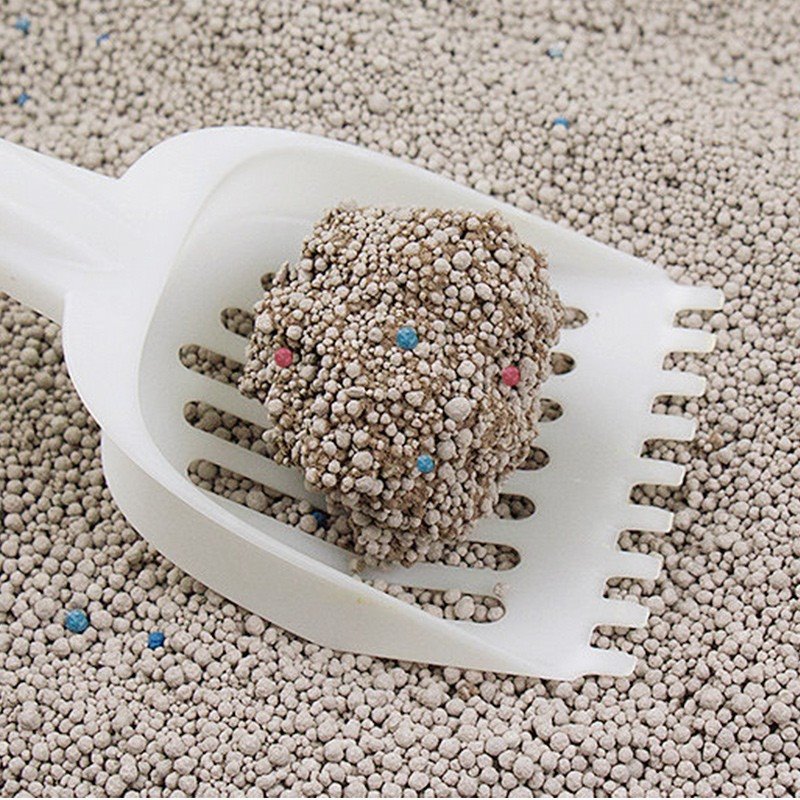
One of the most significant advantages of Bentonite Clay Cat Litter is its exceptional absorbency and clumping ability. Bentonite clay, a type of swelling clay, has a high cation - exchange capacity and a large surface area. When it comes into contact with liquid waste, it quickly absorbs the moisture and forms tight, solid clumps.
This clumping feature makes it incredibly easy to clean the litter box. You can simply scoop out the soiled clumps and leave the clean litter behind, which not only saves time but also reduces the frequency of complete litter changes. In contrast, some other types of cat litters, such as non - clumping clay litters or wheat - based litters, do not form solid clumps. Non - clumping clay litters may absorb urine to some extent, but they don't hold the waste together, making it difficult to remove only the soiled parts. Wheat - based litters can break down and become mushy in the presence of moisture, which can be messy to handle.
2. Odor Control
Odor control is a crucial factor for cat owners, as nobody wants a smelly home. Bentonite clay cat litter has natural odor - absorbing properties. The clay can trap and neutralize unpleasant odors from cat urine and feces. Additionally, many bentonite clay cat litters on the market are enhanced with deodorizers to further combat odors.
Some other cat litters, like pine - based litters, rely on the natural scent of pine to mask odors. While the pine smell can be pleasant, it may not be as effective at actually eliminating the source of the odor. Crystal cat litters, made from silica gel, are also known for their odor - control capabilities. They absorb urine and release moisture slowly, which can help reduce odor. However, they may not be as effective at managing the odor from feces as bentonite clay cat litter.
3. Dust Levels
Dust can be a concern, both for cats and for their owners. When cats dig in the litter box, dust can be kicked up and inhaled, potentially causing respiratory problems. Bentonite clay cat litter has come a long way in terms of dust reduction. Modern manufacturing processes have made it possible to produce low - dust or dust - free bentonite clay cat litter.
On the other hand, some traditional non - clumping clay litters tend to be quite dusty. When you pour the litter into the box or when your cat uses it, a significant amount of dust can be generated. Paper - based cat litters are generally low in dust, but they may not have the same clumping and odor - control properties as bentonite clay cat litters.
4. Cost and Longevity
In terms of cost, bentonite clay cat litter is often a cost - effective option in the long run. Although the initial purchase price may be similar to or slightly higher than some other types of cat litters, its clumping ability means that you can use less litter over time. You only need to replace the soiled clumps, rather than changing the entire litter box frequently.
Some natural or biodegradable cat litters, such as corn - based or coconut - husk - based litters, can be more expensive per unit. And because they may not clump as well as bentonite clay cat litters, you may need to change the litter more often, which can increase the overall cost.
5. Environmental Impact
The environmental impact of cat litter is an increasingly important consideration for many cat owners. Bentonite clay is a natural mineral, but its mining and processing can have an environmental footprint. However, some suppliers, including us, are committed to sustainable mining practices and reducing our environmental impact.
Other types of cat litters offer different environmental benefits. For example, paper - based, wheat - based, and corn - based litters are biodegradable, which means they can break down naturally over time. Pine - based litters are also a renewable resource. But it's important to note that the production and transportation of these litters also have their own environmental implications.
6. Cat Preferences
Cats can be quite particular about their litter. Some cats may prefer the texture of bentonite clay cat litter. The small, granular texture feels natural under their paws, and they may be more inclined to use a litter that is familiar and comfortable.
However, some cats may have sensitivities or aversions to certain types of litters. For example, cats with respiratory problems may benefit from a low - dust litter, and some cats may not like the strong smell of scented litters, whether they are bentonite - based or otherwise.
7. Health Considerations
From a health perspective, bentonite clay cat litter is generally safe for cats. However, if a cat ingests a large amount of bentonite clay, it could potentially cause an obstruction in the digestive tract. This is a rare occurrence, but it's something to be aware of, especially for kittens or cats that like to chew on things.
Other types of litters may also have their own health considerations. For example, some essential oils used in scented litters can be toxic to cats if ingested. And certain chemicals used in the production of some low - quality litters may pose a risk to a cat's health.

In conclusion, bentonite clay cat litter offers many unique advantages in terms of absorbency, clumping ability, odor control, and cost - effectiveness. However, other types of cat litters also have their own merits, such as environmental friendliness or being suitable for cats with specific needs.
If you're interested in learning more about our Bentonite Clay Cat Litter or are considering making a purchase, we'd love to have a conversation with you. Whether you're a small - scale pet owner or a large - scale distributor, we're here to provide the best products and services. Reach out to us, and let's discuss how our bentonite clay cat litter can meet your requirements.
References
- J. B. Schulkin, "The Behavior and Health of Domestic Cats: Litter Preferences", Journal of Feline Behavior and Health, 2018.
- C. M. Smith, "Environmental Impact Assessment of Cat Litters", Environmental Science Review, 2019.
- R. D. Johnson, "Absorbency and Odor Control in Cat Litters", Animal Care and Product Science Journal, 2020.