What is the moisture - wicking ability of bentonite clay cat litter?
As a supplier of Bentonite Clay Cat Litter, I've witnessed firsthand the importance of understanding the moisture - wicking ability of this popular cat litter option. In this blog, I'll delve into the science behind bentonite clay's moisture - wicking properties, its benefits for cat owners, and how it compares to other types of cat litter.
The Science of Bentonite Clay's Moisture - Wicking Ability
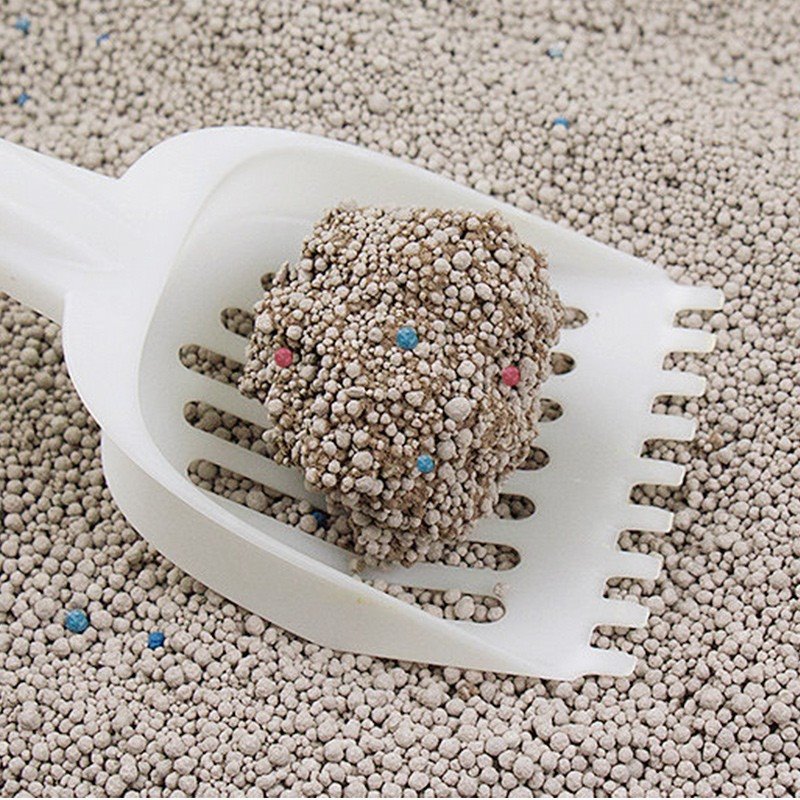
Bentonite clay is a type of absorbent clay that is formed from the weathering of volcanic ash. It has a unique structure that allows it to absorb and retain large amounts of liquid. The clay particles have a high surface area, which means they can come into contact with a large volume of urine and other liquids. When urine comes into contact with bentonite clay, the clay particles swell and form a gel - like substance. This gel traps the urine and prevents it from spreading, which helps to keep the litter box dry and odor - free.
The moisture - wicking ability of bentonite clay is due to its high cation exchange capacity (CEC). CEC is a measure of the clay's ability to attract and hold positively charged ions, such as sodium, calcium, and magnesium. When urine comes into contact with the clay, the positively charged ions in the urine are attracted to the negatively charged surface of the clay particles. This causes the clay to absorb the urine and hold it within its structure.
Benefits of Bentonite Clay Cat Litter's Moisture - Wicking Ability
One of the primary benefits of the moisture - wicking ability of bentonite clay cat litter is that it helps to keep the litter box clean and odor - free. By absorbing urine quickly and preventing it from spreading, the litter box remains dry, which reduces the growth of bacteria and the production of unpleasant odors. This is especially important for cat owners who have multiple cats or who keep their cats indoors.
Another benefit is that the moisture - wicking ability of bentonite clay makes it easy to clean the litter box. The clumps that form when the clay absorbs urine are solid and easy to scoop out, which means you can remove the soiled litter quickly and efficiently. This not only saves time but also helps to keep the litter box in good condition.
Bentonite clay cat litter is also cost - effective. Because it absorbs urine so well, you don't need to change the litter as often as you would with other types of litter. This means you can save money on litter over time.
Comparison with Other Types of Cat Litter
When compared to other types of cat litter, such as silica gel litter or wood - based litter, bentonite clay cat litter has several advantages in terms of moisture - wicking ability.
Silica gel litter is known for its high absorbency, but it can be more expensive than bentonite clay litter. Additionally, silica gel litter does not clump as well as bentonite clay litter, which can make it more difficult to clean the litter box.
Wood - based litter is a natural and eco - friendly option, but it may not have the same level of moisture - wicking ability as bentonite clay litter. Wood - based litter can also break down more quickly, which means it may need to be changed more often.
Factors Affecting the Moisture - Wicking Ability of Bentonite Clay Cat Litter
The moisture - wicking ability of bentonite clay cat litter can be affected by several factors. One of the most important factors is the quality of the clay. Higher - quality bentonite clay will have a higher CEC and will be more effective at absorbing and retaining urine.
The particle size of the clay also plays a role. Smaller particles have a larger surface area, which means they can absorb more urine. However, if the particles are too small, they may be more likely to stick to the cat's paws and be tracked out of the litter box.
The amount of urine in the litter box can also affect the moisture - wicking ability. If there is too much urine, the clay may become saturated and lose its ability to absorb more. This is why it's important to scoop the litter box regularly and change the litter when necessary.
How to Maximize the Moisture - Wicking Ability of Bentonite Clay Cat Litter
To maximize the moisture - wicking ability of bentonite clay cat litter, there are several steps you can take. First, make sure you are using a high - quality litter. Look for a litter that is made from pure bentonite clay and has a high CEC.
Second, keep the litter box clean. Scoop the litter box at least once a day to remove any clumps and solid waste. This will prevent the litter from becoming saturated and will help to maintain its moisture - wicking ability.
Third, add a layer of fresh litter to the box regularly. This will help to maintain the depth of the litter and ensure that there is enough clay to absorb the urine.
Conclusion
The moisture - wicking ability of bentonite clay cat litter is one of its most important features. It helps to keep the litter box clean, odor - free, and easy to maintain. By understanding the science behind this ability and taking steps to maximize it, cat owners can provide a comfortable and healthy environment for their feline friends.
If you're interested in learning more about our Bentonite Clay Cat Litter or are considering purchasing it for your cat, we'd love to hear from you. Contact us to discuss your needs and explore how our high - quality bentonite clay cat litter can meet your requirements.
References
- "Clay Minerals: Their Structure, Behavior, and Use" by Ralph E. Grim
- "The Chemistry of Cat Litter: Understanding Absorbency and Odor Control" by Journal of Feline Health and Behavior