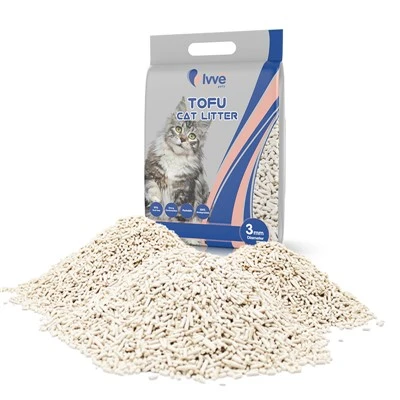
As a common pet product, bentonite cat litter continues to grow in global demand due to its excellent water absorption and clumping properties. However, due to its unique physical and chemical properties, bentonite cat litter requires special attention during transportation, including stability, moisture resistance, and packaging requirements, to ensure product quality is not compromised.
Physically, bentonite cat litter is primarily composed of the mineral montmorillonite, which is highly hygroscopic. In humid environments, bentonite easily absorbs moisture from the air, causing clumping or increased humidity, which in turn affects its performance. Therefore, during transportation, packaging must be airtight. Multi-layer moisture-proof packaging, such as a plastic inner bag with an outer cardboard box or woven bag, is typically used to minimize moisture penetration. Furthermore, bentonite cat litter has a relatively loose particle structure and is susceptible to vibration and compression during transportation, resulting in particle breakage and increased dust. Therefore, avoid severe turbulence during transportation, and use shock-absorbing packaging or filler materials whenever possible to minimize damage.
During storage, bentonite cat litter should be stored in a dry and ventilated environment, avoiding prolonged exposure to high humidity or high temperatures, as this may affect its clumping properties and shelf life. For long-distance transportation, especially by sea or land, the impact of temperature and humidity fluctuations on the product must be considered, and moisture-proofing agents or desiccants should be used as auxiliary protection if necessary.
In addition, the transportation of bentonite cat litter must comply with relevant regulations, such as those for the transportation of hazardous materials (although bentonite itself is not classified as a hazardous material, its dust may pose a respiratory risk and must be labeled with safe handling instructions). Logistics companies should optimize transportation plans and select efficient delivery methods to ensure that products reach consumers quickly and safely, while also reducing logistics costs.
In summary, the logistics management of bentonite cat litter requires a focus on its hygroscopicity, particle stability, and packaging protection. Through scientific storage and transportation methods, product quality can be ensured and market competitiveness enhanced.