

Is Bentonite Cat Litter Safe for Cats that are Recovering from Surgery?
As a supplier of high - quality Bentonite Clay Cat Litter, I often receive inquiries from concerned cat owners, especially those with cats recovering from surgery. The question of whether bentonite cat litter is safe for these vulnerable felines is of great importance, and in this blog, I aim to provide a comprehensive answer based on scientific knowledge and practical experience.
Understanding Bentonite Cat Litter
Bentonite cat litter is made from a type of clay called bentonite. This clay has unique properties that make it a popular choice among cat owners. When it comes into contact with liquid, such as urine, bentonite clay clumps together, making it easy to scoop out the soiled parts of the litter box. This not only keeps the litter box cleaner but also helps to control odors effectively.
The clumping ability of bentonite cat litter is due to its high - swelling capacity. When wet, the individual clay particles absorb water and expand, binding together to form a solid clump. This feature is highly valued as it reduces the frequency of complete litter box changes and makes the overall cleaning process more convenient.
Potential Risks for Post - Surgery Cats
However, when considering using bentonite cat litter for cats recovering from surgery, there are several potential risks that we need to take into account.
One of the main concerns is the dust generated by bentonite cat litter. When cats dig in the litter box, the movement can cause fine dust particles to become airborne. For a cat that has recently undergone surgery, especially if the surgery was related to the respiratory system, inhaling this dust can be problematic. The dust can irritate the delicate tissues in the cat's nose, throat, and lungs, potentially leading to respiratory distress, coughing, or sneezing.
Another risk is related to wound contamination. If the cat has an open surgical wound, the bentonite clay particles could potentially stick to the wound. This not only causes discomfort to the cat but also increases the risk of infection. The clay may carry bacteria or other pathogens, and if it gets into the wound, it can disrupt the healing process and lead to more serious health issues.
Scientific Evidence on the Safety of Bentonite Cat Litter
Scientific research on the specific safety of bentonite cat litter for post - surgery cats is somewhat limited. However, studies on the general effects of dust inhalation in cats can provide some insights.
A study published in the Journal of Feline Medicine and Surgery found that long - term exposure to high levels of dust in cat litter can lead to respiratory problems in cats. While this study was not specifically focused on post - surgery cats, it does suggest that the dust from bentonite cat litter could pose a risk, especially to cats with compromised respiratory systems.
In terms of wound contamination, although there are no large - scale studies, veterinarians often caution against using dusty or particulate materials around surgical wounds. The physical presence of foreign particles can impede the normal healing process and create a breeding ground for bacteria.
Mitigating the Risks
Despite these potential risks, it is possible to use bentonite cat litter safely for cats recovering from surgery by taking some precautions.
First, choose a low - dust bentonite cat litter. Many manufacturers now offer products with reduced dust levels. These low - dust options are formulated to minimize the amount of airborne particles when the cat uses the litter box. By using a low - dust variety, you can significantly reduce the risk of respiratory irritation.
Second, keep the litter box clean. Regularly scoop out the clumps and change the litter more frequently than usual. This helps to reduce the amount of dust and bacteria in the litter box. A clean litter box also reduces the chances of the cat's wound coming into contact with dirty or contaminated litter.
Third, consider using a covered litter box. A covered litter box can help to contain the dust within the box, preventing it from spreading into the surrounding environment. However, make sure the box has proper ventilation to ensure that the cat has access to fresh air.
Alternative Options
If you are still concerned about using bentonite cat litter for your post - surgery cat, there are alternative cat litter options available.
Paper - based cat litters are a popular choice. They are typically low - dust and soft, which can be gentle on a cat's surgical wound. Paper litters also have good absorbency and can control odors reasonably well.

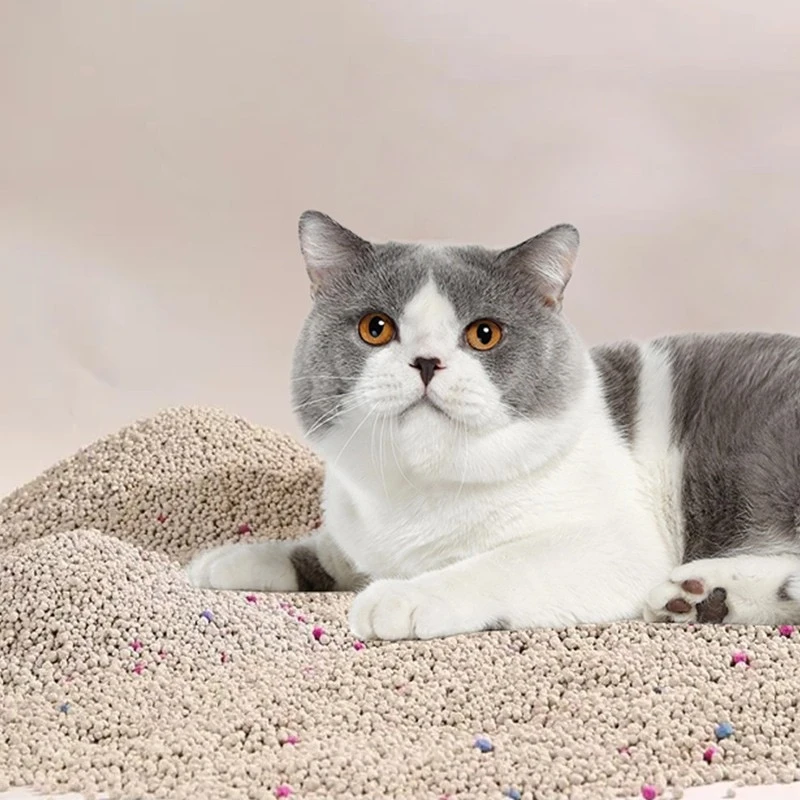
Another option is wood - based cat litter. Wood pellets or shavings are often natural and eco - friendly. They produce very little dust and can be a safe choice for cats recovering from surgery. However, some cats may not like the feel of wood - based litters under their paws.
Conclusion
In conclusion, bentonite cat litter can be used for cats recovering from surgery, but it is essential to be aware of the potential risks and take appropriate precautions. By choosing a low - dust variety, keeping the litter box clean, and using a covered litter box, you can minimize the risks of respiratory irritation and wound contamination.
If you have any further questions or are interested in purchasing our high - quality Bentonite Clay Cat Litter, we welcome you to contact us for more information and to discuss your specific needs. Our team of experts is always on hand to provide you with the best advice and support. Whether you are a pet owner or a retailer looking to stock our products, we are eager to engage in a fruitful procurement discussion.
References
- Journal of Feline Medicine and Surgery, "Long - term effects of cat litter dust inhalation on feline respiratory health"
- Various veterinary guidelines on post - surgery cat care and wound management.


